

Get Your Yard Ready for Winter with Leaf Removal and Mulch Tips
Early fall arrives in the Midlands with a subtle shift. The air feels lighter in the mornings, football season kicks off, and your warm-season grass finally gets a break from the relentless South Carolina summer heat. But here’s what many homeowners in Columbia, Irmo, and Chapin discover the hard way: fall yard preparation isn’t something you tackle once leaves are already piling up. The best time to prepare your yard for fall leaf removal and mulch installation is early in the season, before the chaos hits.
If you’re a busy homeowner who takes pride in your property but dreads the annual fall overwhelm, this guide offers clarity and peace of mind about what your yard needs this season and why timing matters.
Why Early Fall Preparation Wins Every Time
Early fall preparation might seem premature when your trees are still green, but there’s real strategy behind getting ahead of the season. Your warm-season grasses like Bermuda and Zoysia are still actively growing, which means they respond beautifully to aeration and overseeding before winter dormancy arrives.
Starting early means your lawn care professional can evaluate your landscape before the rush hits, scheduling services when availability is better. Most importantly, you avoid the late-season crunch when everyone suddenly realizes their yard needs attention and service providers are booked solid for weeks.
The Real Cost of Neglecting Leaves and Mulch
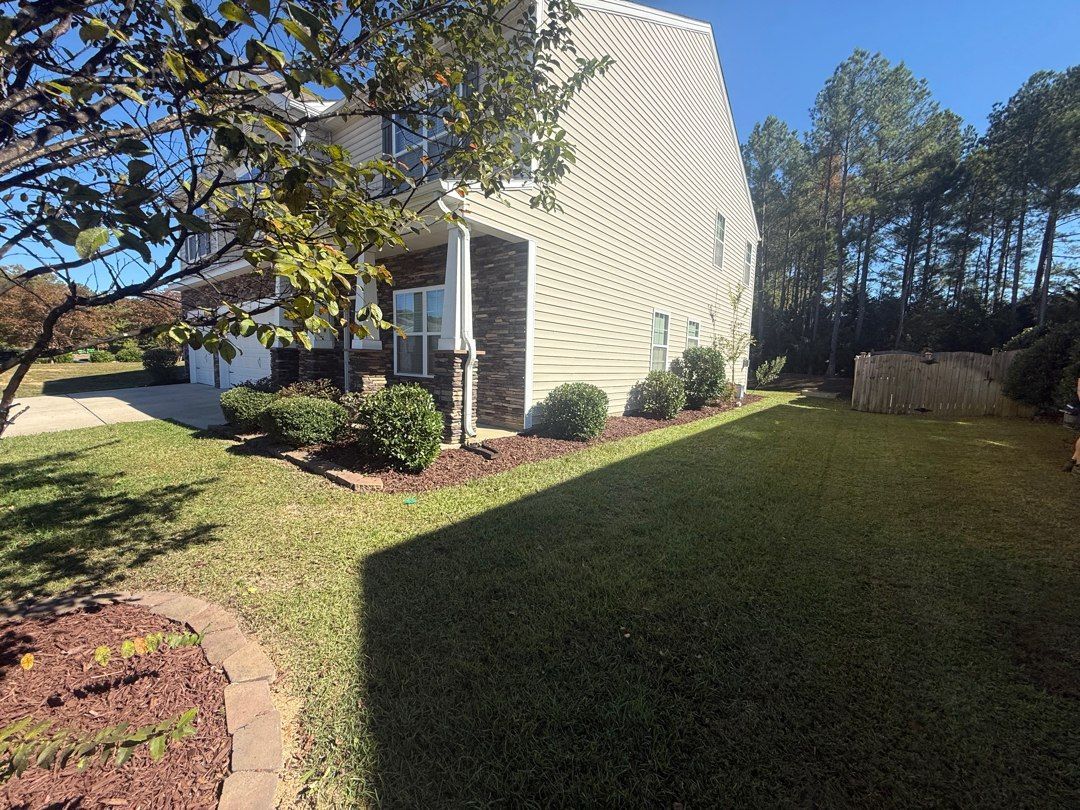
Leaves left on your lawn create a dense mat that blocks sunlight and traps moisture against the grass. This suffocating layer encourages fungal diseases like brown patch and large patch, which thrive in the warm, humid conditions we experience well into late fall. The longer leaves sit, the harder they become to remove, and the more damage they inflict on the turf beneath.
Your landscape beds face equally serious problems without attention. Soil temperatures fluctuate wildly during winter cold snaps when mulch gets thin, stressing plant roots. Weeds establish themselves more easily in degraded mulch, creating work for you next spring. Tired, faded mulch makes even well-maintained properties look neglected, undermining all your other yard care efforts.
Your Warm-Season Grass Needs Through Fall
Understanding how to care for Bermuda and Zoysia through the fall transition protects your investment and sets up next year’s success. These grasses have specific needs as temperatures moderate and growth patterns shift.
Key maintenance guidelines include:
- Maintain Bermuda grass at 1 to 1.5 inches and Zoysia at 1.5 to 2 inches throughout early and mid-fall with proper lawn mowing
- Continue your regular mowing schedule as long as grass actively grows, typically once weekly during warm stretches
- Adjust mowing frequency as temperatures cool through late fall, but avoid cutting too short before winter
- Keep proper height on that final mow before dormancy to protect crowns from frost damage
- Apply balanced fall fertilization to help grass store energy for winter without promoting vulnerable late-season growth
Professional lawn fertilization services analyze your soil’s specific needs and adjust applications accordingly, preventing waste and potential environmental concerns from generic treatments.
Aeration and Overseeding Make the Difference
For the Columbia area, early fall represents the absolute best window for aeration and overseeding. The transition period as summer ends offers ideal conditions because soil temperatures remain warm enough to encourage germination while cooler air temperatures reduce stress on emerging seedlings.
Core aeration addresses the compacted clay soil common throughout the Midlands. Those hard-packed areas prevent water, air, and nutrients from reaching grass roots. The service removes small plugs of soil, creating channels that improve everything from drainage to fertilizer effectiveness. Overseeding with cool-season ryegrass after aeration gives you beautiful green turf through winter while your warm-season grass rests.
Common Problems to Watch For
Disease and insect issues often appear during fall transitions when stress triggers various problems. Common disease symptoms include circular brown patches, irregularly shaped discolored areas, or grass that pulls up easily with shallow roots. Fungal diseases often appear after extended periods of humidity or excessive moisture, conditions we frequently experience during fall rains.
Insect damage presents differently. Grub activity shows as irregular brown patches where grass pulls up like loose carpet, revealing white C-shaped larvae beneath. Early detection makes treatment far more effective and less expensive, which is why working with trained diagnosticians helps you get the right solution instead of wasting time and money on unnecessary treatments.
Fall Weed Control Strategy
Your fall strategy should address both current problems and spring prevention. Crabgrass finally dies with the first hard frost, but those plants dropped thousands of seeds that will germinate next spring without pre-emergent control.
Effective fall weed management involves:
- Applying pre-emergent herbicides in early fall to prevent winter annual weeds like chickweed, henbit, and annual bluegrass
- Scheduling late fall applications to set up your defense against next year’s crabgrass
- Combining proper cultural practices with targeted weed control treatments for best results
- Building dense, healthy grass through fall fertilization and overseeding to naturally crowd out weeds
Dense turf is your best defense against persistent weed problems.
How Fresh Mulch Protects Your Investment
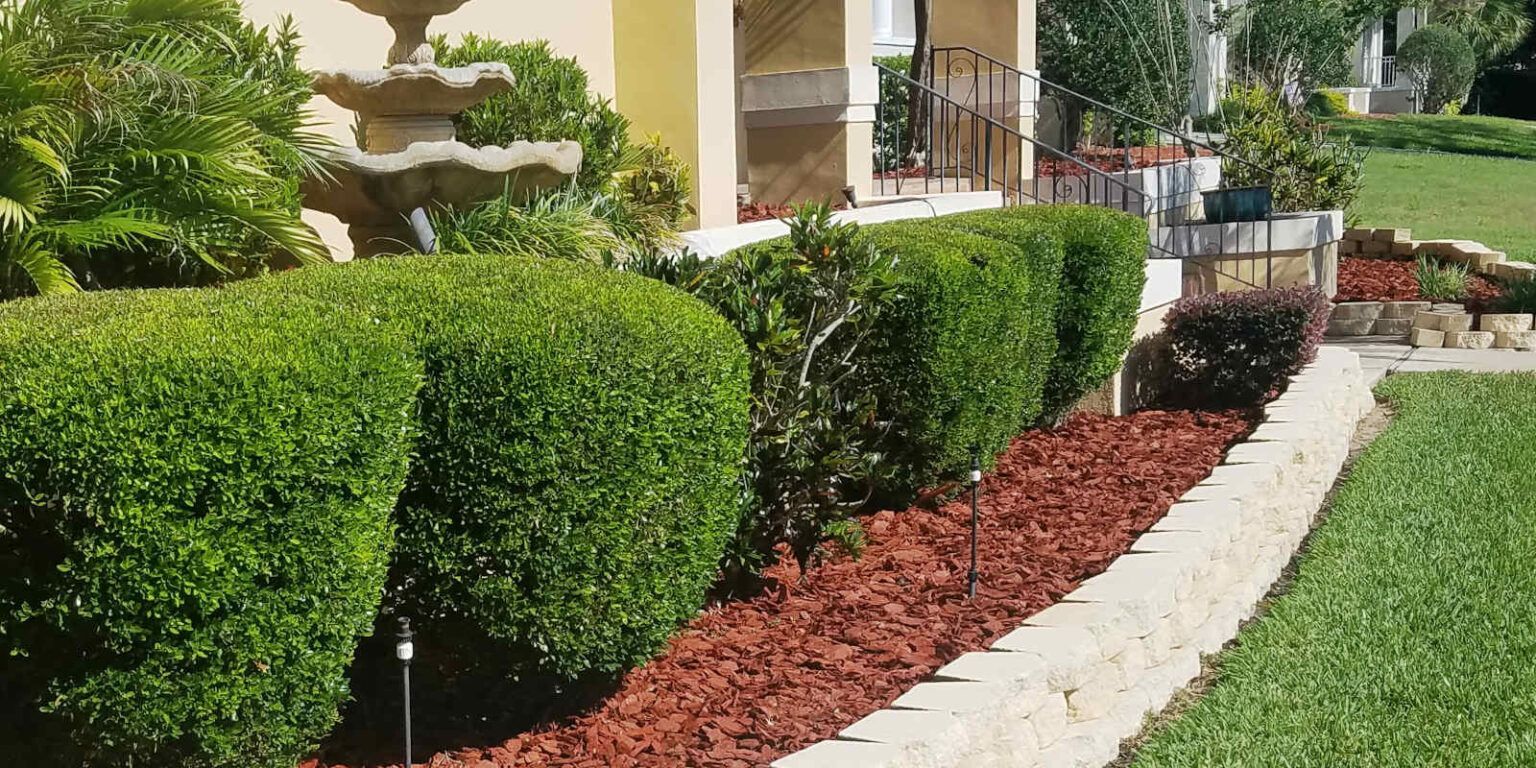
Fresh mulch installation ranks among the most impactful improvements you can make this season. Quality hardwood or pine bark mulch insulates plant roots against temperature fluctuations, which is especially valuable during our occasionally unpredictable Midlands winters. It retains soil moisture, reduces irrigation needs, and suppresses weed germination by blocking light from reaching weed seeds in the soil.
The material breaks down gradually to add organic matter that improves soil structure over time while creating clean, defined edges that make properties look professionally maintained. The standard depth of 2 to 3 inches provides these benefits without the problems that come from excessive mulch piled against plant stems or tree trunks.
Pest Management for Fall
Fire ants remain active throughout fall in the Midlands, building new mounds as temperatures moderate. Fall treatments catch colonies before they establish deeply, making control more effective. Mosquito control continues through mid-fall since these pests breed in standing water well into the season.
Essential fall pest services include:
- Flea and tick control for properties with pets or children, as these pests remain active until hard frosts arrive
- Perimeter pest control creating a protective barrier against occasional invaders seeking winter shelter
- Fire ant control targeting new mound activity before colonies establish deeply
- Preventive treatments that protect your family’s outdoor enjoyment through the comfortable fall months
These treatments address immediate concerns while setting up preventive strategies for next season.
What Professional Cleanup Actually Delivers
Professional fall cleanup removes not just leaves but also debris, dead annuals, and overgrown perennials that make properties look tired. Beds get cleared, edged, and prepared for fresh mulch installation. Hardscape areas get blown clean, revealing patios and walkways that disappeared under seasonal accumulation.
This thorough approach creates a maintained appearance that lasts through winter and reduces your spring workload significantly. When properties enter spring already clean and mulched, you’re starting from a position of strength rather than playing catch-up with accumulated neglect. For forward-thinking homeowners, coordinating fall cleanup with holiday lighting installation simplifies your entire seasonal transition.
Making Your Next Move
The path to a healthy, beautiful yard through fall and winter starts with understanding what your property needs and taking action while timing is on your side. Early preparation beats late-season scrambling every time, protecting your landscape investment while saving you stress.
Evaluate your yard honestly against the signs discussed here. If you’re seeing faded mulch, accumulating leaves, thin grass, or persistent weeds, now is the time to address those issues. Sparta Lawn Care handles fall preparation throughout Columbia, Blythewood, Elgin, Chapin, and Irmo with services from cleanup to comprehensive lawn care. Call (803) 884-9730 to discuss your property’s specific needs. Your fall yard preparation doesn’t have to be overwhelming when you have the right partner and the right plan.
Frequently Asked Questions
When is the best time to remove leaves from my lawn in South Carolina?
Early fall is ideal for leaf removal in South Carolina before heavy accumulation occurs. Waiting too long allows leaves to create a dense mat that blocks sunlight, traps moisture, and encourages fungal diseases like brown patch. Professional fall cleanup services can schedule regular removal throughout the season to prevent lawn damage and make the job more manageable.
How deep should mulch be in landscape beds for winter protection?
A depth of 2 to 3 inches is recommended for optimal winter protection in the Midlands. This amount insulates plant roots against temperature fluctuations, retains soil moisture, and helps suppress weeds. More than that, especially when mulch is piled against stems or trunks, can trap moisture and lead to disease or pest issues. Professional mulch installation ensures proper depth and placement.
Should I fertilize my Bermuda or Zoysia grass in the fall?
Yes. Fall fertilization is important for warm-season grasses like Bermuda and Zoysia in South Carolina. Applying a balanced formulation in early fall helps the grass store energy for winter without encouraging weak late-season growth. Professional lawn fertilization services evaluate your soil’s needs and adjust applications for the best results with minimal waste.
Why is early fall the best time for aeration and overseeding in Columbia, SC?
Early fall provides ideal conditions because soil temperatures remain warm enough for seed germination while cooler air temperatures reduce stress on new seedlings. Core aeration relieves the compacted clay soil common in the Midlands, and overseeding with cool-season ryegrass afterward delivers lush green turf through winter while warm-season grasses go dormant.
What happens if I don’t remove leaves from my lawn before winter?
Leaves left on the lawn form a dense, suffocating layer that blocks sunlight and traps moisture, creating conditions that encourage fungal diseases common in South Carolina’s warm, humid fall weather. The longer leaves sit, the more difficult they are to remove and the more damage they cause. Early removal through professional services protects your turf and significantly reduces your spring cleanup workload.