

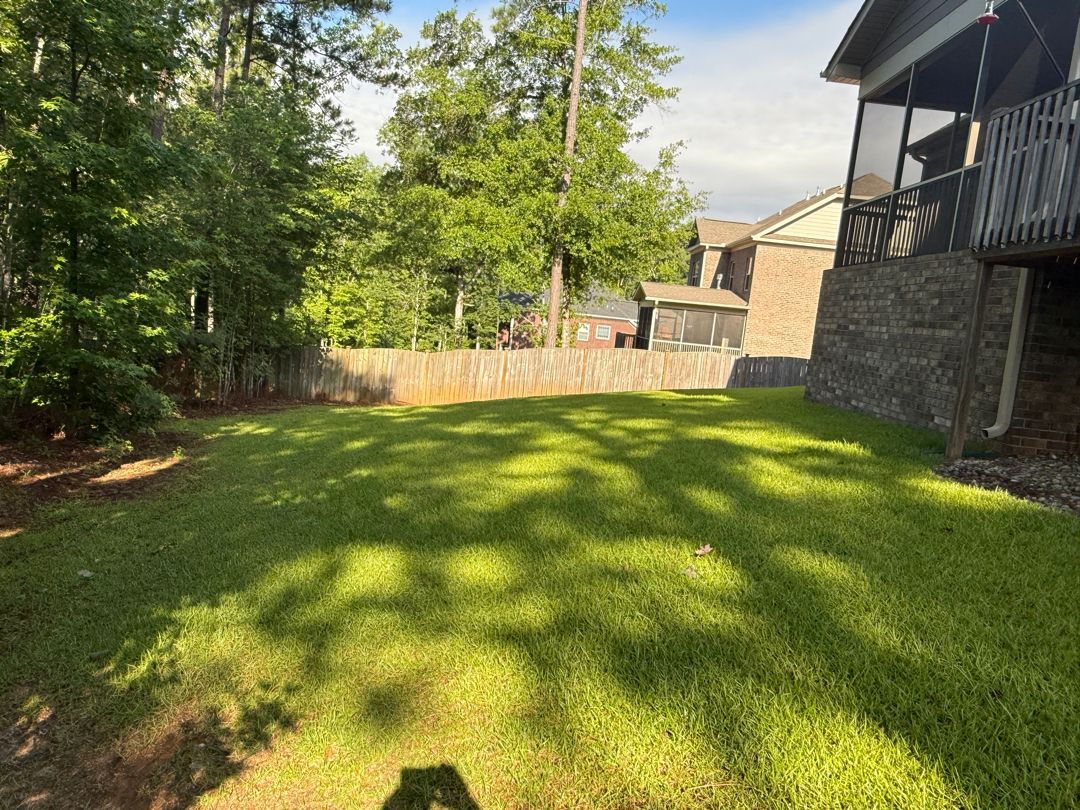
That is especially true here in the Midlands, where bermuda, zoysia, and centipede all respond differently depending on soil temperature, moisture, and how much stress the lawn is carrying into the season. We see the biggest gains when fertilization is treated as part of a full turf-health strategy, not a one-off application.
Why Columbia Lawns Need a Different Fertilization Approach
One of the biggest reasons lawns struggle in this area is that our sandy soil does not hold nutrients for long. What works in a clay-heavy market often gets leached out much faster here. That means overapplying fertilizer is not just wasteful, it can also create uneven growth, stress, and runoff problems.
We also deal with long stretches of heat and humidity that make turf more vulnerable to disease pressure and shallow root development. Fertilization has to support growth without pushing the lawn too hard at the wrong time. When we build a plan for a Columbia property, we are looking at more than color. We are looking at root strength, recovery, density, and how well the lawn can compete with weeds through the season.
Timing Lawn Fertilization in Columbia, SC
Timing matters more than most people think. Applying fertilizer too early can wake up turf before conditions are right, while applying too late can waste product or push growth when the lawn should be storing energy instead. For most warm-season lawns in Columbia, the first application needs to line up with active growth, not just the first warm week of spring.
That is one reason fertilization often works best when paired with other seasonal services. If you are also planning broader lawn care and landscape services, it is easier to build a program that supports real results instead of chasing problems after they show up.
What a Healthy Fertilization Program Actually Supports
A good fertilization plan should improve color, yes, but that is the shallowest benefit. The bigger win is stronger turf that fills in more evenly, recovers faster from stress, and stays thicker during the months when weeds try to move in. In Columbia, a well-fed lawn is often better at handling heat, foot traffic, and the stress swings that come with our long growing season.
It also helps other services work better. If your lawn is struggling because nutrients are out of balance, it does not matter how carefully you mow or water. On the other hand, when the turf is actively growing and rooting well, it responds better to seasonal maintenance and can recover faster after mechanical work or weather stress.
Common Fertilization Mistakes We See in Columbia
The most common mistake is assuming more fertilizer equals a better lawn. It does not. Too much product can burn turf, exaggerate growth flushes, and create a lawn that looks good for a short window but becomes weaker underneath.
Another mistake is relying on the same exact treatment schedule every year without paying attention to real conditions. A wet spring, a cool start, or a rough summer can all change what the lawn needs. Fertilization should respond to the condition of the turf, not just the calendar.
We also see homeowners trying to fix every lawn issue with fertilizer when the real issue may be mowing practices, compaction, irrigation inconsistency, or poor seasonal planning. Fertility matters, but it works best as part of a complete program, not a magic trick.
How Fertilization Fits Into a Bigger Lawn Health Strategy
For many Columbia properties, fertilization is just one piece of the picture. If a lawn is thin, stressed, or inconsistent, the real solution usually includes proper mowing, watering discipline, seasonal cleanups, and sometimes cultural work that improves how the turf grows over time. Even small improvements in timing and consistency can have a bigger effect than simply adding more fertilizer.
If you want to see how broader spring turf planning can support the same goal, our article on preventing common spring lawn problems in Columbia is worth reading too. It pairs well with this topic because the best lawns here are built through consistent, seasonal decisions.
When It Makes Sense to Bring in a Pro
If your lawn never seems to respond the way it should, or if it greens up unevenly and fades fast, there is a good chance the issue is not just product selection. It is the timing, the rate, the turf type, or the broader care plan behind it. That is where a professional program helps. Instead of guessing what the lawn needs, you can work from a plan that fits Columbia conditions and the way your property actually behaves.
If you want help building a smarter fertilization plan for your property, reach out to our team. We can talk through what your lawn is doing now, what is likely causing the problem, and what a more effective plan would look like for your yard.
Frequently Asked Questions About Lawn Fertilization in Columbia
When should I start fertilizing my lawn in Columbia, SC?
For most warm-season lawns, fertilization should begin once the turf is actively growing, not just when temperatures briefly warm up. Timing should follow actual grass growth and soil conditions.
Why does fertilization matter so much in Columbia?
Columbia’s sandy soil and long hot season make it easier for nutrients to move through the soil quickly. A good fertilization program helps support density, recovery, and overall lawn health in those conditions.
Can too much fertilizer hurt my lawn?
Yes. Overapplication can stress the turf, create uneven growth, and reduce long-term performance. More product is not automatically better.
Need Help With Lawn Fertilization in Columbia, SC?
If your lawn is underperforming, thinning out, or never quite holding color the way it should, we can help you build a plan that fits Columbia conditions and your property’s actual needs.
Contact Sparta Lawn Care to talk through the right next step for your lawn.